Universities' Empty Campuses Present Housing Solution Amid Affordability Crisis
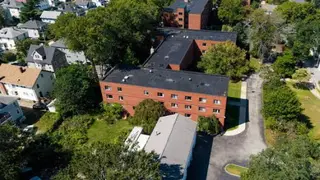
As college closures leave campuses abandoned across the country, communities are considering converting these properties into residential housing to address a critical shortage of 3.7 million homes. The conversion process faces significant obstacles including zoning restrictions, neighborhood opposition, and substantial renovation costs. Eastern Nazarene College in Massachusetts exemplifies the challenge, sitting unused for years while local officials debate redevelopment options despite strong community interest in housing.
The national housing shortage has reached crisis proportions, with estimates suggesting the U.S. faces a deficit of millions of residences needed to meet current demand. Massachusetts faces particularly acute pressure, requiring over 200,000 additional homes within the next decade, while individual cities like Quincy lag significantly behind their housing needs. The Eastern Nazarene property represents a concrete example of this mismatch: a 27-acre developed site with existing infrastructure, located near transit and in an established residential area, yet remaining vacant and deteriorating.
The obstacles blocking conversion prove surprisingly complex despite apparent mutual benefit. A proposed private development offering 600+ housing units collapsed when local leadership deemed the scale inappropriate. Subsequent municipal acquisition proposals foundered on cost concerns and political disagreement. These complications reflect deeper structural challenges affecting similar conversions nationwide: regulatory frameworks, fiscal constraints, and community consensus-building difficulties that can extend resolution timelines indefinitely.
Campus-to-housing conversions could address housing availability and affordability concerns while productively repurposing underutilized assets. However, implementation may require significant public investment and regulatory reform. Communities, developers, and local officials face competing priorities regarding unit density, affordability levels, and neighborhood character, suggesting that individual projects may become prolonged negotiations. The outcome in cases like Eastern Nazarene may signal whether policymakers can streamline conversion processes or whether systemic barriers will continue leaving properties idle despite acknowledged housing needs.