Wenchang Commercial Spaceport Becomes World's Premier Megaconstellation Launch Hub Outside U.S.
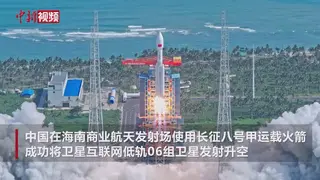
China's Hainan Commercial Space Launch Site near Wenchang has completed 21 consecutive successful orbital missions since its establishment in late 2024, making it the busiest megaconstellation launch facility globally outside the United States. The facility, built by a state-backed joint venture for approximately $553 million, has launched 195 Guowang broadband satellites across 14 operational batches and serves as the primary launch base for China's megaconstellation ambitions. Additional launch pads are nearing completion at the site, which has a design capacity of 60 launches annually once fully operational.
China established its first dedicated commercial launch facility in late 2024 through a state-provincial partnership, investing approximately half a billion dollars to create infrastructure specifically designed for satellite constellation operations. The facility's location on Hainan Island provides significant technical advantages over China's older inland spaceports, particularly by enabling rockets to shed spent stages over ocean rather than populated regions—a safety measure that aligns Chinese practices with international standards observed at coastal launch sites worldwide.
The spaceport's 21 consecutive successful launches have positioned it as Earth's second-busiest megaconstellation hub after U.S. facilities, with capacity to nearly triple its current output once two additional launch pads complete construction. Its primary mission centers on deploying thousands of Guowang broadband satellites as part of China's broader spectrum claims for over 25,000 orbital assets across competing megaconstellation programs.
The emergence of this launch facility could reshape global broadband infrastructure competition, as successful deployment of China's megaconstellation programs may accelerate access to internet services in developing regions. The site's operational success and planned capacity expansion signal substantial financial commitment to space infrastructure that could influence telecommunications markets and international spectrum allocation disputes. However, the facility's impact may ultimately depend on factors beyond launch capability, including regulatory approvals, technical performance of deployed satellites, and competitive dynamics with established Western megaconstellation providers.