New Rugged Smartwatch Harnesses Solar Power from Front and Back
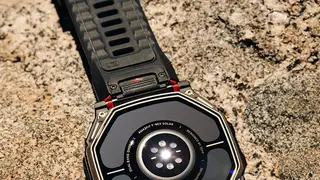
Amazfit has released the T-Rex Dual Solar in China, a rugged outdoor smartwatch featuring innovative dual-sided solar panels that collect energy from both the watch face and rear. The device promises up to 25 days of typical battery life, extending to 34 days with front-panel sun exposure or 51 days with rear-panel charging under optimal conditions. Constructed with a Grade 5 titanium bezel and sapphire glass, the watch targets outdoor enthusiasts like hikers and trail runners who may spend extended periods away from conventional power sources.
The T-Rex Dual Solar addresses a genuine pain point for outdoor adventurers: maintaining device functionality during multi-day excursions away from power infrastructure. By incorporating solar collection surfaces on both the watch face and rear panel, Amazfit has engineered a charging system integral to the device's structure rather than a supplementary feature. Battery performance varies significantly based on environmental conditions, ranging from 25 days under typical use to potentially 51 days with optimal rear-panel sun exposure.
The watch combines this power innovation with practical outdoor specifications: a titanium alloy construction for strength-to-weight efficiency, sapphire crystal protection against scratches, and 10 ATM water resistance for wet-environment durability. The 1.32-inch AMOLED display with 3,000-nit peak brightness addresses the specific challenge of screen visibility in direct sunlight, a persistent usability issue for outdoor wearables.
The T-Rex Dual Solar may influence consumer expectations around extended-use wearable technology, potentially driving other manufacturers to explore renewable power integration in smartwatches. Outdoor enthusiasts and adventure travelers could benefit most directly, as the device could reduce dependency on portable chargers during backcountry trips. However, real-world solar charging effectiveness remains highly dependent on weather, terrain, and seasonal factors—meaning performance may fall considerably short of peak claims for users in cloudy regions or northern latitudes.