Mechanical Gaming Keyboard Integrates Touchscreen for Control and Customization
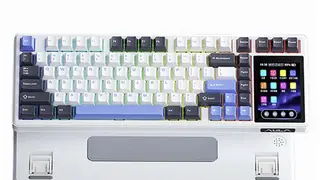
The AULA L99 mechanical keyboard stands out by integrating a 3.98-inch IPS touchscreen directly into its frame, enabling users to display custom graphics, access calculator functions, and monitor system performance. The keyboard features an 84-key compact layout, hot-swappable switches, PBT keycaps, an 8000mAh battery, and triple connectivity options including 2.4GHz wireless, Bluetooth, and USB-C wired modes. The touchscreen transforms the keyboard from a purely functional input device into an interactive desktop element that accommodates both gaming and productivity workflows.
The L99 represents a shift in how manufacturers approach keyboard design by treating the device as a multifunctional workspace tool rather than purely an input device. The integrated display enables real-time system monitoring and quick-access utilities, bridging the gap between peripheral equipment and productivity software. This blurs traditional boundaries between gaming peripherals and office equipment, potentially appealing to users who work across both environments throughout the day.
The keyboard's construction emphasizes tactile refinement through its gasket mounting system paired with sound-absorbing materials—features that address long-form typing comfort. By offering switch variety and maintaining an ergonomic key count, the device attempts to serve extended work sessions without requiring users to maintain multiple keyboards for different activities.
The convergence of display technology and input devices could reshape expectations around peripheral functionality, particularly among users who spend significant time at desks. As keyboards incorporate interactive features, manufacturers may face pressure to integrate similar technologies across product lines, potentially increasing costs for standard models. This trend could benefit remote workers and gamers seeking integrated solutions, though it may also fragment the market between feature-rich specialty devices and traditional, minimalist alternatives. The long-term adoption pattern will likely depend on whether such features meaningfully improve workflow efficiency or function primarily as aesthetic customization.