DOJ Civil Rights Division Accused of Predetermined Outcomes Rather Than Evidence-Based Investigations
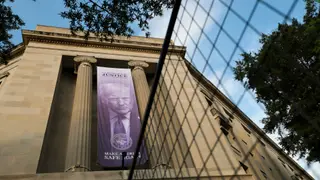
Career attorneys argue that the Trump administration's Justice Department Civil Rights Division has reversed traditional enforcement practices by announcing conclusions before conducting fact-finding, exemplified by a case involving an Oregon lifeguard program labeled presumptively illegal within hours of a social media post. The article traces how this approach emerged during the first Trump administration with investigations into Democratic-led states' COVID-19 nursing home policies that mirrored Republican-led states' actions. Former DOJ career staff contend this model compromises the independence and accuracy of federal civil rights enforcement.
The article documents a shift in how the Civil Rights Division prioritizes cases, moving from evidence-gathering to predetermined findings. The Oregon lifeguard program example illustrates this pattern: a social media post triggered an immediate "presumptively illegal" designation without investigation. Historical precedent for this approach emerged during 2020, when DOJ announced inquiries into Democratic-led states' nursing home policies while ignoring similar practices in Republican-led states. An inspector general review later confirmed the targeting was selective and politically motivated, with career staff findings contradicting leadership conclusions.
This reporting raises questions about institutional independence within federal law enforcement. If civil rights investigations are shaped by political considerations rather than evidence, the credibility of enforcement actions could be undermined, potentially affecting how businesses, states, and citizens view DOJ determinations. Career staff independence may influence both the accuracy of legal conclusions and public confidence in civil rights protections. The pattern could also affect resource allocation, potentially diverting enforcement capacity from cases with stronger evidentiary foundations.