Israeli Airlines Launch Repatriation Services Following FlyDubai Suspension
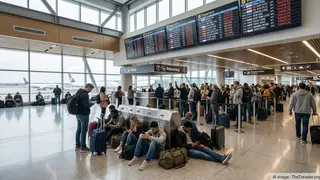
Israeli carriers El Al, Arkia, and Israir initiated special one-way flights from Dubai and Abu Dhabi to Tel Aviv beginning October 2 to bring home travelers stranded by FlyDubai's service suspension. The suspension followed a September 30 cockpit attack aboard flight FZ1073, leaving hundreds of passengers unable to return through their original carrier. The repatriation flights operated under coordinated arrangements with aviation regulators in both countries and offered controlled fares to affected passengers.
The suspension of FlyDubai's Tel Aviv service created an urgent logistical challenge that required immediate coordination across international aviation authorities. Between October 2 and 5, three Israeli carriers mobilized substantial capacity to address the backlog, completing 37 flights that transported nearly 7,500 passengers in just four days. This accelerated operation demonstrated how regional airlines can rapidly respond to service disruptions when regulatory frameworks permit coordinated action.
The incident that triggered the suspension—an in-flight altercation involving a cockpit crew member—prompted heightened security assessments that delayed resumption of regular service. Stranded passengers faced uncertainty about rebooking options until the repatriation flights were announced, after which most were able to depart within days rather than weeks. The swift mobilization likely prevented broader economic and logistical consequences for tourism and business travel between the UAE and Israel.
The disruption may have highlighted vulnerabilities in air service redundancy on this increasingly busy route, suggesting that reliance on a single carrier could leave travelers exposed to prolonged delays during unexpected incidents. Airlines and regulators may consider how to better prepare contingency capacity or information protocols for similar situations. For business travelers and tourists, the experience could influence booking decisions, encouraging some to favor airlines with stronger regional networks or to allow longer layovers when traveling between these destinations. The rapid recovery, however, may have mitigated longer-term confidence damage in the route's reliability.