Singapore Investigates Officials for Insider Trading in Real Estate
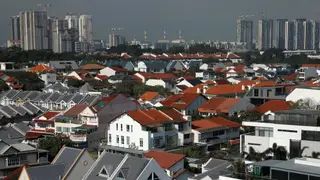
Singapore's government has referred eight civil servants to police for investigation following evidence that they may have used nonpublic information to purchase properties near planned Mass Rapid Transit stations ahead of public announcements. Research published by Stanford, Columbia, and University of Hong Kong economists found that mid-level officials connected to transport planning were 60 percent more likely to buy homes in areas with unrevealed station plans, generating substantial financial gains. Officials emphasized that referral does not confirm wrongdoing and that due process will be followed, while reiterating the government's commitment to preventing public employees from using official information for personal financial benefit.
Singapore's government has launched a formal police investigation after academic research identified a statistically significant pattern of property acquisitions by transport planners. The study examined transactions among nearly 200 civil servants and found that those working in roles connected to transit infrastructure were substantially overrepresented in purchases made before station locations were publicly disclosed, with financial outcomes that went beyond typical market returns.
The referral comes as Singapore faces renewed scrutiny of its anti-corruption record despite its international reputation for institutional integrity. Prior cases have resulted in prison sentences for high-ranking officials, though convictions of sitting ministers remain exceptionally rare in the city-state's modern history.
The investigation may influence public confidence in Singapore's governance institutions and could prompt broader reviews of insider-trading safeguards within government procurement and planning processes. Affected property markets near proposed transit corridors might experience volatility if investigations expand. Beyond Singapore, the case could pressure other developed economies to examine whether similar information asymmetries exist among their officials, potentially reshaping disclosure requirements and monitoring practices for public sector real estate transactions.