Record-breaking El Niño poised to trigger extreme weather including wildfires, typhoons and coral bleaching
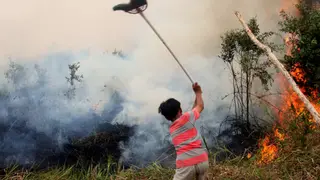
The strongest El Niño on record is expected to produce severe weather impacts globally over the coming year, with atmospheric circulation shifts already fueling massive wildfires in Indonesia and threatening to intensify typhoons across the Pacific. Historical patterns suggest the phenomenon will trigger diverse disasters including landslides, coral bleaching, and altered hurricane activity across different regions, compounded by background global warming that adds additional heat and moisture to atmospheric systems. The article warns that while scientists can forecast likely impacts based on past El Niño events, global infrastructure and preparedness remain inadequate to handle the scale of predicted disruptions.
The 2026 El Niño represents an intensification of natural climate cycles already documented in historical records. During previous strong El Niño episodes—particularly 1997 and 2015—regions experienced dramatic shifts in precipitation patterns, with some areas receiving excessive rainfall while others faced severe droughts. The phenomenon works by redistributing heat and moisture across the Pacific basin, fundamentally altering where weather systems develop and intensify.
Current conditions demonstrate how these natural cycles interact with existing climate trends. Scientists note that atmospheric systems now contain elevated moisture and energy levels compared to previous El Niño events, potentially amplifying weather extremes. This combination of cyclical ocean-atmosphere patterns with baseline warming creates compounding effects across vulnerable ecosystems and agricultural regions globally.
The convergence of El Niño effects with existing climate conditions could create cascading humanitarian challenges across multiple continents. Agricultural regions in southern Africa face potential crop failures affecting food security for millions, while intensified typhoons in Asia may cause significant casualties and infrastructure damage. Simultaneously, coral reef systems and marine ecosystems risk widespread bleaching events. Communities with limited adaptive capacity—particularly in developing nations—may experience disproportionate impacts, though comprehensive global preparedness mechanisms remain underdeveloped to address the projected scale of disruptions.