Boston tests battery-powered trains as model for nationwide transit electrification
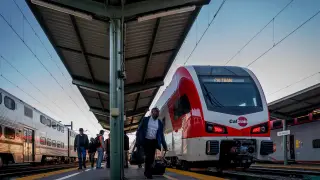
Massachusetts transit authorities plan to deploy seven battery-powered trains on the Fairmount Line by 2030, representing a pilot program for electrifying commuter rail without expensive overhead infrastructure. The Swiss-built trains will increase service frequency from every 30 minutes to every 20 minutes while eliminating approximately 17,700 tons of annual carbon dioxide emissions compared to diesel-powered vehicles. The arrangement addresses decades of advocacy for cleaner transit options in historically underserved communities of color in the Boston area.
The Fairmount Line initiative represents a significant shift in how transit agencies can modernize aging diesel fleets. Rather than requiring expensive catenary infrastructure installations, battery-powered trains offer a more economically flexible pathway to electrification. The 15-year lease arrangement at $765 million reflects this cost-conscious approach, allowing the Massachusetts transit authority to evaluate whether battery technology performs reliably before committing to broader system-wide adoption.
The project addresses longstanding equity concerns in Boston's transit system. Communities of color along the Fairmount corridor have historically received minimal service compared to other regions, a disparity that advocates like Marvin Martin spent decades challenging. The combination of electrification with increased service frequency—from 30-minute to 20-minute intervals—could meaningfully improve both environmental quality and transportation accessibility for these neighborhoods.
If successful, Boston's pilot could influence how transit agencies nationwide approach rail electrification, potentially making upgrades more financially feasible for systems serving mid-sized ridership corridors. The project may benefit lower-income communities that have historically borne disproportionate air pollution burdens from diesel transit. However, questions remain about battery-powered train reliability at comparable ridership levels, meaning results from this seven-train deployment could shape industry confidence and future investment decisions across the country.