Unchecked tree growth threatens prairie ecosystems across the Great Plains
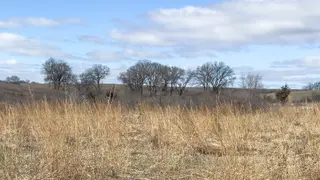
Woody encroachment, the rapid spread of trees across grasslands, is degrading prairie ecosystems across the High Plains and creating significant economic losses for ranchers. The Texas A&M AgriLife extension estimates the phenomenon costs $4 billion in lost grazing land production across ten Great Plains states, while ecologists warn of cascading biodiversity losses affecting insects, birds, and small mammals. The spreading of eastern red cedar and other tree species, accelerated by factors including climate change and past land management practices, undermines both ranching viability and the ecological integrity of one of America's most important grassland habitats.
The prairie ecosystem depends on natural disturbance cycles to maintain its health and diversity. Historically, fire and grazing animals shaped vegetation patterns while deep-rooted grasses sustained themselves through droughts. The suppression of fire, combined with selective grazing that doesn't target woody plants, has removed key controls that once prevented tree proliferation. As conditions shift, trees establish themselves more readily and develop protective bark that helps them survive future fire attempts.
The economic and ecological consequences extend across multiple stakeholder groups. Ranchers face reduced grazing capacity and productivity losses, while the water demands of expanding tree cover pose risks to regional aquifers already stressed by agricultural use. Wildlife species dependent on open grassland habitat—from specialized insects to ground-nesting birds—face habitat loss as the landscape transforms into woodland.
Woody encroachment may reshape land management practices across the Great Plains, requiring ranchers to invest in control measures while potentially shifting grazing economics. The phenomenon could influence water policy decisions in regions facing scarcity, and may prompt research into new management approaches combining prescribed fire, browsing animals, and mechanical removal. The story may also inform climate adaptation strategies, as tree spread reflects broader ecosystem responses to changing conditions. Solutions likely require coordination between landowners, conservation organizations, and policymakers.