Electronic Health Dashboards Often Fail to Support Real-Time Clinical Decision-Making
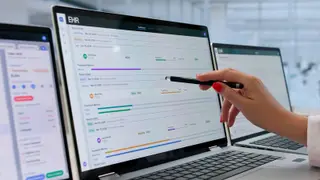
An opinion piece examines how electronic medical record dashboards, while containing potentially valuable administrative and quality improvement data, frequently present information at times when clinicians cannot act on it, limiting their practical utility for patient care. Healthcare practices use these dashboards to track metrics ranging from appointment access to preventive screening rates, often tied to institutional reimbursement incentives. The author argues for redesigning these tools to deliver actionable reminders at appropriate moments during patient encounters rather than as disconnected reports.
Healthcare organizations currently deploy multiple data-tracking systems that monitor various performance metrics, from patient appointment scheduling and attendance patterns to compliance with preventive care protocols like cancer screenings and vaccinations. These institutional dashboards often carry financial implications, with reimbursement rates and provider compensation tied to achieving specific quality benchmarks. However, the information collected frequently reaches clinicians outside the context of actual patient encounters, making real-time intervention difficult.
The gap between data availability and clinical action represents a significant challenge in modern medical practice. When providers receive performance reports or quality alerts disconnected from direct patient interactions, they struggle to translate this information into meaningful improvements. The author suggests that reshaping these tools to deliver contextual reminders during appointments—rather than as retrospective reports—could transform dashboards from stress-inducing monitoring mechanisms into practical instruments for closing care gaps and improving patient outcomes.
This perspective could influence how healthcare administrators and technology vendors approach electronic health record design, potentially reshaping dashboard functionality across numerous healthcare systems. Clinicians experiencing alert fatigue and administrative burden may find validation for their concerns about current tools. If healthcare organizations adopt more patient-encounter-centered reminder systems, the changes could reduce provider stress while improving adherence to preventive care guidelines. However, implementation would require significant investment in system redesign and workflow integration across diverse practice settings.