Data Center Power Systems Evolving Beyond Traditional Uninterruptible Power Supplies
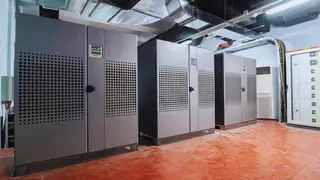
Emerging technologies including rack-level battery systems, battery energy storage systems (BESS), and solid-state transformers are fundamentally changing how data centers approach power redundancy and protection. These innovations are challenging the conventional role of the UPS in modern data center architecture. The shift reflects growing demands for more flexible, scalable, and efficient power management solutions in contemporary facilities.
Data center operators are moving toward a more distributed approach to power protection rather than relying on centralized uninterruptible power supply systems. The adoption of battery systems installed at the rack level, combined with larger battery energy storage installations and advanced transformer technology, enables facilities to manage power more granularly and respond to fluctuating demand patterns. This architectural shift accommodates the changing requirements of modern computing environments, where scalability and efficiency have become critical operational priorities alongside traditional redundancy concerns.
The evolution toward alternative power management systems could affect data center operators, cloud service providers, and their customers by enabling more resilient and cost-effective infrastructure. Organizations may benefit from reduced energy waste and improved flexibility in scaling operations, potentially lowering operational expenses. However, the transition could create challenges for existing UPS manufacturers and require substantial capital investment from facility operators upgrading legacy systems. Broader implications may include improved power grid stability as data centers become more efficient consumers of electrical resources.