Russian health officials report no plague detected among lab worker's contacts
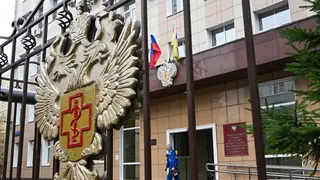
Russian authorities stated that preliminary testing of contacts from a Siberian anti-plague laboratory worker who died last week revealed no cases of plague, with about 60% of identified contacts screened so far. The woman's death from pneumonia of undetermined origin sparked international concern, though Russian officials have not confirmed plague involvement and reported finding only COVID-19 and rhinovirus among tested contacts. U.S. State Department officials have called for greater transparency from Moscow regarding the incident.
The death occurred at the Irkutsk Anti-Plague Institute, a research facility specializing in infectious disease containment. Russian health authorities have screened approximately three-fifths of the worker's identified close contacts, with laboratory results showing only common viral infections—specifically COVID-19 and rhinovirus cases—among those tested. The worker's cause of death remains officially unconfirmed by Russian regional and national authorities.
International concern has mounted partly due to the ambiguous nature of the initial announcement and the facility's sensitive research focus. The World Health Organization requested clarification from Moscow and received assurances that no plague cases had been documented in the region. American State Department officials have expressed concern about limited transparency regarding the incident, highlighting broader tensions around information-sharing on potential public health threats.
This incident could affect international trust in disease surveillance and biosafety protocols, particularly given the lab's work with dangerous pathogens. If transparency concerns persist, they may complicate future cooperation on public health emergencies between Russia and Western nations. The outcome may also influence how international health organizations respond to similar incidents at sensitive research facilities, potentially shaping future protocols for information disclosure and epidemiological investigation in cross-border biosecurity matters.