RuneScape Developer Issues Apology After AI-Generated Content Discovered in Convention Trailer
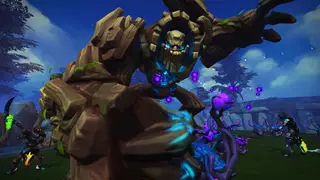
Jagex apologized after the Dragon Slayer 2 trailer shown at RuneFest 2026 was identified as containing generative AI imagery, evidenced by visual anomalies including a knight with six fingers. The studio stated that the external production partner explicitly assured them no AI would be used, contradicting the actual output. This marks the second Jagex-affiliated project in weeks found to contain unauthorized AI generation, prompting the developer to review its oversight processes.
Jagex has faced a second incident involving unauthorized AI generation in external projects within weeks. The Dragon Slayer 2 trailer, which premiered at RuneFest 2026 to showcase a major quest expansion, contained visual errors typical of generative AI outputs, including anatomical impossibilities. The production company had contractually assured the studio that no AI tools would be employed in creating the asset. Following this discovery, Jagex committed to restructuring its quality assurance protocols and partnering with community artists to recreate the trailer materials to appropriate standards.
The timing compounds concerns about oversight practices across the organization. Just days prior, merchandise design from a collaboration with 100 Thieves revealed similar telltale AI artifacts. Both incidents suggest that external partners may lack sufficient accountability or transparency regarding their production methods, exposing gaps in contractual verification and final-stage review procedures that publishers typically implement.
The incidents may influence how gaming studios approach outsourcing decisions and vendor management going forward. Players and artists could become more skeptical of third-party collaborations, potentially affecting monetization opportunities through merchandise and community trust in creative announcements. Developers may face increased pressure to implement stricter auditing processes, which could raise production costs and timelines. The situation also reflects broader industry tensions around generative AI adoption, where creators worry about artistic displacement while companies seek efficiency gains—tensions that may intensify as AI tools become more sophisticated and harder to detect.