Proposed potash imports overlook larger fertilizer market pressures facing U.S. farmers
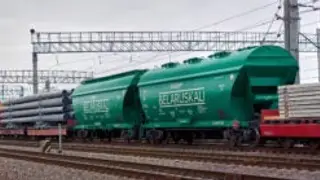
While a potential potash deal with Belarus could offer price relief, fertilizer market experts warn it fails to address more acute supply and pricing challenges affecting growers entering the 2027 season. Nitrogen and phosphate prices have risen substantially over the past two years due to international geopolitical factors, particularly the Strait of Hormuz closure affecting sulfur supplies critical for phosphate production. Industry analysts indicate that nitrogen and phosphate price pressures pose greater concerns than potash availability, which has remained relatively stable.
The fertilizer market faces distinct challenges across different product categories. While potash supply has remained stable at moderate price levels, nitrogen and phosphate costs have surged dramatically—up 16 percent and 7 percent respectively year-over-year as of August 2026. This disparity stems from geopolitical disruptions affecting global sulfur availability, a critical ingredient for phosphate production that has become increasingly scarce due to regional conflicts and supply chain interruptions.
Belarus produces approximately 15 million tons of potash annually, but already maintains established export relationships. The U.S. market typically requires 11 to 14 million tons yearly, suggesting limited additional capacity from Belarusian sources. Industry experts emphasize that potash represents a smaller piece of farmers' fertilizer expense concerns compared to the more volatile and expensive nitrogen and phosphate markets.
The proposed potash agreement could affect U.S. farming economics, but its impact may be limited. Farmers entering the 2027 growing season may see modest savings on potash purchases while remaining exposed to volatile nitrogen and phosphate pricing. Commodity producers and grain handlers could experience cascading effects on production costs and input expenses. However, the deal's effectiveness depends on resolving underlying geopolitical factors constraining sulfur supplies—issues largely beyond bilateral trade negotiations to address.