Trump Suggests US Cities Sacrificeable in Iranian Conflict During Rally Speech
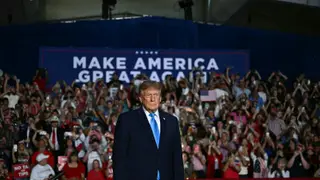
President Trump told supporters at a Nebraska rally that losing Los Angeles and San Diego would be "a small price to pay" for his military actions against Iran, characterizing the cities as acceptable collateral damage. California officials including Los Angeles Mayor Karen Bass and San Diego Mayor Todd Gloria condemned the remarks as irresponsible and dangerous, emphasizing that American cities are not expendable. Trump's comments reflected his defense of rising prices as a cost of his foreign policy, though critics note Iran has not previously targeted U.S. cities and the conflict has primarily involved strikes on Middle Eastern installations.
The conflict between the United States and Iran has significantly disrupted global energy markets, with Iran's strategic control of major shipping routes enabling allied forces to restrict oil flow. The resulting fuel shortage has driven gas prices to historically elevated levels nationwide, affecting consumers across all sectors of the economy. These economic consequences have become a central point of political debate as the administration defends its military strategy.
Peace negotiations remain stalled despite diplomatic efforts, with the administration rejecting proposals from Tehran while regional tensions continue escalating. Recent weeks have seen intensified attacks involving multiple parties, including militant groups in Yemen targeting infrastructure in neighboring countries, suggesting the conflict may expand rather than resolve in the near term.
Trump's comments could reshape public perception of presidential accountability regarding civilian safety and foreign policy costs. If voters interpret the remarks as dismissive of American lives, it may influence electoral outcomes in strategically important states. Conversely, supporters may view such rhetoric as justified strategic calculation. The incident illustrates how defense policy debates can intersect with domestic politics, potentially affecting voter confidence in leadership's commitment to protecting American communities during times of international conflict.