Google's New Laptop Will Lack Full Android Compatibility at Samsung Device Launch
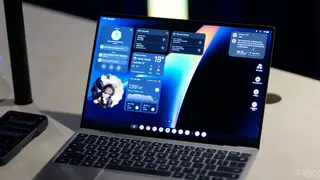
Googlebook, positioned as a laptop designed specifically for Android users, will launch with limited functionality for Samsung phone owners despite the device's core pitch centered on Android integration. At launch, most Android users will be unable to access the platform's most compelling features due to compatibility restrictions. This limitation undermines the product's primary value proposition for a significant portion of its target market.
Google has announced a new laptop device called Googlebook, which targets users of Android-based smartphones. The device was designed with Android ecosystem integration as its central marketing feature. However, the product will arrive on the market with significant technical limitations that restrict its functionality for many potential users.
Samsung device owners represent a substantial portion of the Android user base, yet they face particular compatibility challenges with Googlebook at its debut. This gap between the device's advertised purpose and its actual capabilities at launch creates a mismatch between marketing promises and delivery, potentially affecting purchasing decisions among consumers who expected seamless cross-device experiences.
The launch discrepancy could frustrate early adopters who specifically chose Googlebook based on its Android integration messaging. Samsung users—a major segment of the Android market—may experience reduced value from the device initially, potentially delaying adoption or spurring requests for refunds. This situation could influence consumer trust in Google's product positioning and may pressure the company to accelerate compatibility updates, affecting both its development timeline and market perception of the product's maturity at release.