Curiosity Rover Photographs Wind-Carved Cliffs on Mars in High-Resolution Panorama
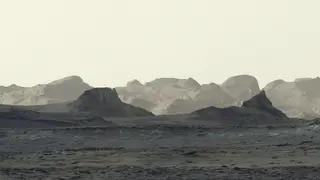
NASA's Curiosity rover captured a detailed panoramic image of wind-sculpted rock formations called yardangs on Mars's Mount Sharp on August 11, 2026. The six-image panorama was processed without standard color correction to preserve the natural appearance of the Martian sunrise. Scientists expect closer examination of these geological features as the rover continues its ascent up Mount Sharp, potentially revealing insights into how these formations developed over Mars's geological history.
NASA's Curiosity rover has achieved a significant milestone by capturing unprecedented imagery of yardangs—wind-formed geological structures—on Mars's Mount Sharp during an early morning observation in August 2026. These formations, spanning approximately 10 miles across the mountain's northwestern region, display unusual characteristics that distinguish them from surrounding layers, including distinct coloration and tilted angles that suggest a unique origin story.
The rover's continued ascent represents a remarkable engineering achievement, having now climbed over half a mile up the 3-mile-tall mountain since beginning its exploration in 2014. Scientists theorize these yardangs may result from ancient volcanic ash deposits, though definitive answers remain elusive. As Curiosity progresses through sulfate and carbonate-rich layers in coming months, researchers anticipate reaching the yardang formation's base, where direct sampling could finally unlock the secrets of these enigmatic structures.
This discovery could enhance scientific understanding of Mars's ancient climate and geological processes, potentially informing theories about planetary habitability and water history. The findings may influence future Mars exploration strategies and robotic mission design. For broader audiences, such discoveries sustain public interest in space exploration and could shape educational curricula about planetary science. The technological capabilities demonstrated by Curiosity's extended mission may also validate long-term rover deployment strategies for upcoming Mars missions.