Kenya records first Ebola fatality from traveler returning from Democratic Republic of Congo
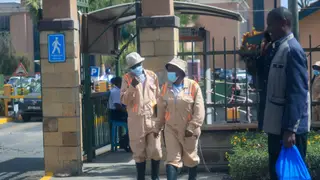
Kenya confirmed its first-ever death from Ebola when a Kenyan national who had been living in the Democratic Republic of Congo died after returning to Nairobi. The patient had been residing in Congo for seven years, fell ill approximately one month prior, and traveled through Uganda before arriving in Kenya on Saturday, becoming the country's first documented case. Kenya is now the fourth nation to record an Ebola case in the current outbreak, which began in eastern Congo in May and has caused over 4,000 deaths among more than 8,400 cases.
Kenya's confirmation marks a significant geographical expansion of the epidemic beyond its epicenter. The patient's journey—spending seven years in Congo before traveling overland through Uganda and flying into Nairobi—illustrates how the virus can traverse borders despite containment efforts. The rapid response demonstrates Kenya's preparedness: authorities isolated the patient immediately upon hospitalization, initiated contact tracing for 55 individuals including flight passengers and crew, and established monitoring protocols at border crossings.
The current outbreak has demonstrated unprecedented scale compared to previous Ebola events, with cases and fatalities accumulating faster than historical epidemics. Congo's internal challenges—including violence against health workers, community mistrust, and armed conflict limiting treatment access—have complicated response efforts across seven provinces, creating conditions where the virus continues spreading.
Kenya's case could trigger regional concern across East Africa regarding cross-border transmission and healthcare system strain. The identification of 55 contacts may place temporary pressure on isolation facilities and testing capacity. However, the rapid detection and isolation suggest established surveillance systems may help prevent wider community spread. The involvement of international support from the Africa CDC could strengthen response coordination, though neighboring countries may face increased scrutiny of their own border health measures and disease monitoring infrastructure.