American Water Costs Climb Faster Than Inflation and Income Over Decade
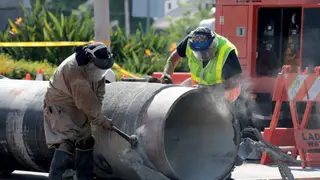
A nonprofit research organization found that residential water bills increased by 62 percent between 2015 and 2025, outpacing inflation, grocery price growth, and median household income gains across the country. The analysis of 500 major community water systems serving 155 million Americans revealed particularly sharp price increases in Louisiana, Maryland, New Hampshire, and California. The rapid cost escalation raises concerns about water affordability as part of broader financial pressures facing American households.
The Food & Water Watch analysis examined pricing from the largest 500 community water systems nationwide, representing roughly 45 percent of the U.S. population. The study compared 2015 rates with 2025 figures, adjusting historical prices for inflation to establish meaningful comparisons. Annual household water charges rose from approximately $336 in 2014 to $531 by 2025, significantly exceeding the rate of general inflation during the same period. Regional disparities proved pronounced, with certain states experiencing water cost growth substantially outpacing local wage increases.
California's water systems demonstrated particularly high absolute prices, with one San Jose utility charging households $1,416 annually—the highest documented in the study. However, several eastern states showed more dramatic rate acceleration relative to household incomes, suggesting varied drivers of cost increases across different regions and utility management structures.
Rising water affordability challenges could strain household budgets already pressured by other essential expenses, potentially affecting lower-income families disproportionately. As water costs climb faster than income growth in certain regions, utilities may face increased pressure to balance infrastructure investment needs with customer ability to pay. Policymakers may need to address whether current utility funding models adequately serve public welfare, while experts suggest federal intervention could help prevent water service access problems in severely affected areas.