Pacific construction projects face elevated expenses beyond material costs
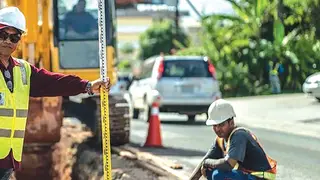
Island nations confront significant cost overruns when undertaking construction projects, with expenses extending well beyond the price of materials alone. Supply chain challenges and geographic isolation create additional financial burdens for Pacific builders. The article examines how these elevated costs affect infrastructure development across the region.
Construction activity in the Pacific island nations faces a significant economic challenge. Beyond purchasing raw materials, builders must navigate substantial logistical expenses tied to their remote geographic positions and the difficulties inherent in transporting goods across vast ocean distances.
These financial pressures have broader implications for the region's ability to expand and modernize infrastructure. When development costs rise substantially, island communities may need to reassess priorities for essential projects, potentially affecting everything from transportation networks to public facilities.
The elevated construction expenses could meaningfully impact Pacific island nations' development trajectories and fiscal planning. Governments and private developers may face constrained resources for infrastructure investment, potentially affecting economic competitiveness and quality of life. Communities might need to pursue innovative financing approaches or international partnerships to advance necessary projects, which could reshape how these nations prioritize long-term growth strategies.