Massive School Demonstrations Sweep France as Police Deploy Teargas Against Protesters
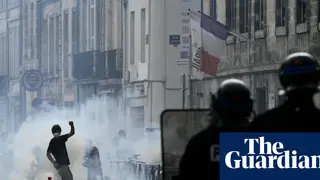
More than 250,000 students, teachers, and parents protested across major French cities demanding improvements to secondary school conditions, marking the largest demonstration yet in a movement that has drawn comparisons to historic 1968 uprisings. French authorities reported that 215 teenagers and 85 school staff had sustained injuries throughout the campaign, prompting President Macron to convene an emergency cabinet meeting to address the crisis. While most demonstrations remained peaceful, some events including the Paris march devolved into confrontations with riot police who used teargas and batons to disperse crowds.
The unrest began over two weeks ago in Paris's northern suburbs before spreading throughout the nation. Student protesters have articulated grievances centered on overcrowding, teacher shortages, and deteriorating school infrastructure. The demonstrations have escalated beyond marches into property damage, with dozens of schools vandalized or set ablaze since mid-September. Law enforcement responses have intensified accordingly, resulting in hundreds of injuries among both demonstrators and police officers, alongside thousands of arrests—predominantly involving minors now facing prosecution.
These protests could reshape French education policy debates as policymakers weigh student demands against public safety concerns. The high concentration of arrested minors may trigger discussions about youth engagement with protest movements and police tactics targeting young people. Schools already struggling with resource constraints may face additional operational disruptions, potentially affecting educational continuity for millions. How authorities balance reform concessions with maintaining order could influence future youth activism in France and set precedent for handling large-scale student mobilization elsewhere in Europe.