Supreme Court Justice Alito States He Will Remain Through Current Term Regardless of Senate Election
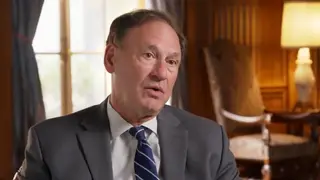
Justice Samuel Alito has publicly stated his intention to remain on the Supreme Court through the end of the current term next June, regardless of the outcome of the upcoming Senate elections. His comments address speculation that he might retire quickly if Democrats gain Senate control, which would prevent Republican confirmation of a successor. The 76-year-old conservative justice says he made the decision to stay many months ago.
The 76-year-old justice made his announcement as the Supreme Court prepared to begin a new term extending through June 2027. His statement directly addresses longstanding speculation about potential retirements timed to political cycles, particularly concerns that conservative justices might step down strategically if the opposing party gains legislative power. The Senate election scheduled for early November will determine which party controls the chamber, with current polling indicating the seat distribution remains highly competitive.
Alito's public commitment to remain through the term's conclusion contrasts with historical patterns of justices considering retirement timing based on political circumstances. His fellow conservative colleague Clarence Thomas, at 78, has similarly shown no indication of stepping down. The justice emphasized that his decision to stay was made months in advance, suggesting it was not a reactive response to current electoral dynamics.
Alito's statement may influence discussions about judicial independence and whether justices' retirement decisions should be insulated from partisan political considerations. If Democrats gain Senate control, the court's ideological balance could remain unchanged through mid-2027, potentially affecting major legal disputes pending before the bench. Conversely, a Republican-controlled Senate could create different dynamics around any future vacancies. The public nature of his commitment could set expectations about judicial conduct and the relationship between election outcomes and institutional staffing decisions.