White House Declines to Repay Federal Funds Spent on Presidential Promotional Advertising
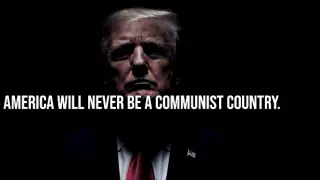
The White House has confirmed that President Trump will not reimburse the government for over $20 million in advertising expenses that supporters argue resemble campaign materials. A spokesperson clarified that Trump's earlier statement about the ads was not an offer to repay taxpayers. Trump's campaign super PAC is funding future advertisements, while the president defended the current spending by citing precedent from previous administrations.
The White House has rejected calls for reimbursement related to over $20 million in federal advertising expenditures that opponents characterize as promotional material benefiting the president personally. Officials clarified that remarks made by Trump on the matter should not be interpreted as a commitment to repay taxpayers for these costs. Moving forward, the president's political action committee has assumed financial responsibility for additional advertisements in this series.
Trump defended the spending by referencing historical precedent, noting that administrations across the political spectrum have utilized government funds for advertising initiatives. However, he acknowledged that some of these efforts from previous administrations faced comparable scrutiny regarding their appropriateness and legal standing.
This situation raises questions about the appropriate use of federal funds and potential accountability mechanisms. If similar spending practices are deemed improper, it could affect public trust in government resource allocation and establish precedent for future administrations. The outcome may influence whether Congress pursues additional oversight or legislative measures governing taxpayer-funded communications. Media coverage and public perception of executive spending authority could shift based on how the matter is ultimately resolved or investigated.