Automated Digital Telescopes Enable Accessible Astrophotography for Astronomy Enthusiasts
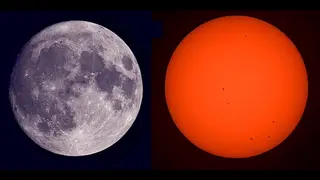
Smart scopes are automated, all-in-one digital telescopes designed primarily for astrophotography and digital observation rather than traditional eyepiece viewing, making them accessible entry points for those interested in astronomy. These devices operate through smartphone or tablet applications and feature built-in GPS technology and motorized mounts that automatically align with the night sky and track celestial objects as Earth rotates. Image stacking technology allows users to progressively enhance photograph detail on their screens in real-time, creating high-quality final images saved directly to their devices.
Smart scopes represent a fundamental shift in how amateur astronomers engage with the night sky. Rather than peering through traditional eyepieces, these devices function as automated cameras controlled via smartphone applications. The integration of GPS and motorized mounts enables hands-free operation, allowing the telescope to locate and follow celestial targets independently as Earth rotates. Users can program specific observation sessions and leave the equipment unattended to capture images throughout the night.
The progressive image stacking feature distinguishes smart scopes from conventional telescopes. As multiple photographs overlay on the device's display, image quality improves in real-time, and users can export the final enhanced images directly to their phones or tablets for further processing. Investment varies considerably based on camera resolution, ranging from several hundred to several thousand dollars, making entry-level models accessible to newcomers while advanced options cater to serious hobbyists.
Smart scopes could democratize astrophotography by lowering technical barriers to entry for amateur astronomers. The automation and app-based interface may attract individuals who lack traditional astronomy knowledge or equipment expertise. This accessibility could expand the astronomy enthusiast community, potentially increasing public engagement with space science and STEM fields. However, questions about equipment costs, light pollution, and whether digital observation adequately captures traditional stargazing experiences may influence adoption rates across different demographic groups.