UN Declaration Establishes Legal Framework Protecting Island Nations' Statehood Despite Rising Seas
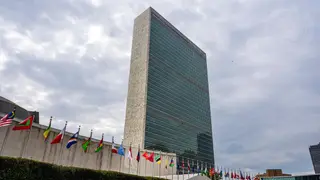
World leaders adopted a political declaration at the United Nations General Assembly establishing international consensus that sea-level rise will not threaten the legal rights, sovereignty, or UN membership of affected nations. The agreement addresses catastrophic threats to global stability from climate-driven sea level rise, which could render significant portions of low-lying coastal zones and island nations uninhabitable by 2100. The negotiations represent a rare example of international cooperation on a sensitive political issue affecting national security and economic stability.
The declaration addresses a critical gap in international law by establishing that nations will retain their legal status, UN membership, and ocean rights even if their land territories become submerged due to rising seas. This builds on earlier frameworks developed by island nations and regional organizations, particularly after 2025 when major international legal bodies began endorsing these interpretations. The declaration represents a significant shift because it secured broad state participation beyond the most vulnerable nations, creating binding international consensus rather than limited regional agreement.
The agreement operationalizes principles that had previously existed only in theory or limited bilateral arrangements. By securing endorsement from major global powers alongside vulnerable island states, the declaration establishes precedent for how the international community will treat climate-displaced nations. It also preserves their economic interests, as maritime zones—including exclusive economic zones rich in fishing and mineral resources—remain protected under the framework.
The declaration could provide legal stability for millions of people living in threatened island and coastal regions by ensuring their nations maintain sovereign standing and resource rights. However, the framework addresses legal status rather than practical challenges like habitability, infrastructure survival, or economic sustainability. Implementation will likely depend on whether states honor these commitments when facing resource scarcity or migration pressures, making the declaration's real-world effectiveness uncertain despite its symbolic importance for international cooperation on climate impacts.