Legal Scholars Argue Trump's $5,000 Campaign Payment Pledge May Violate Federal Vote-Buying Statutes
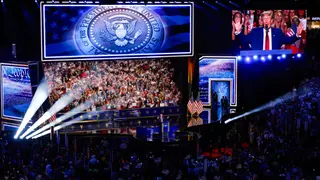
Legal experts contend that President Trump's promise to distribute $5,000 to every adult American if Republicans retain control of Congress potentially violates federal criminal laws prohibiting payment for votes or voting outcomes. Unlike typical campaign promises to pursue policy changes if elected, Trump's pledge conditions a direct monetary payment solely on the election result while asserting no congressional approval is necessary. The scholars argue this naked conditionality on electoral outcomes, combined with Trump's characterization of payments as a "dividend" already owed to citizens, may constitute criminal coercion or vote-buying.
Legal scholars are raising concerns that a recent presidential pledge distinguishes itself from conventional campaign rhetoric by its structure and conditions. Rather than promising to pursue legislative goals if elected, this particular commitment directly ties monetary distribution to election outcomes, with the candidate claiming unilateral authority to execute the payment without congressional involvement. The scholars note this represents a departure from typical political speech patterns, which they argue warrants examination under existing vote-buying and coercion statutes.
The analysis highlights an additional dimension: the promised payment allegedly builds upon an earlier commitment to distribute funds based on tariff policy, now conditioning access to those benefits on specific electoral results. Legal experts contend this layering of conditions—where citizens must achieve a particular voting outcome to receive previously promised benefits—may constitute impermissible coercion under federal law.
If validated legally, such claims could establish precedent affecting how candidates communicate election-conditional benefits to voters, potentially reshaping campaign strategy and political messaging. The analysis may influence prosecutorial decisions and judicial interpretation of existing election laws. Conversely, dismissal of these concerns could clarify boundaries of permissible campaign speech. Either outcome would affect public understanding of what constitutes lawful political persuasion versus prohibited vote-buying, with implications for future electoral campaigns and voter protection frameworks.