Why Grand Romantic Gestures Often Disappoint in Real Life
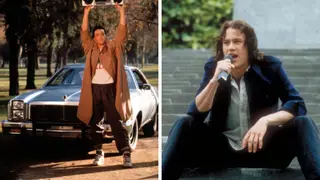
Movies have popularized grand romantic gestures as expressions of love, but in reality such displays often create pressure and discomfort rather than genuine romance. Psychologist research reveals that people frequently regret failing to pursue romantic interests boldly, yet actual grand gestures involving risk or sacrifice can backfire by demanding reciprocation. True romantic expression works best when it remains vulnerable and low-pressure rather than theatrical and demanding.
Research on romantic regret reveals a paradox in how people approach relationships. Studies tracking thousands of relationship regrets found that individuals frequently wish they had pursued romantic interests more assertively, with some recounting missed connections from decades earlier. However, this desire for boldness must be weighed against the recipient's experience during such moments.
The disconnect emerges when considering how people perceive rejection dynamics. Those making romantic advances tend to underestimate the difficulty and discomfort experienced by the person rejecting them. When romantic pursuits escalate to elaborate, public displays, this asymmetry intensifies—the recipient faces heightened social pressure and emotional stakes that make refusal significantly more challenging than the pursuer realizes.
This discussion of romantic communication patterns could influence how individuals approach relationships and self-reflection about past romantic decisions. Young adults navigating dating may reconsider their strategies, potentially reducing public pressure-based courtship while paradoxically increasing anxiety about missed opportunities. The framework presented could also affect how people evaluate their own rejection experiences, fostering greater empathy for both sides of romantic interactions. Mental health professionals might apply these insights when counseling clients about relationship anxiety and social discomfort.