Russia Conducts Large-Scale Nuclear Emergency Simulation Amid Rising Tensions
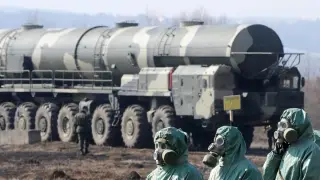
Russia's Beloyarsk nuclear power plant in the Sverdlovsk region began a two-day emergency exercise involving over 1,000 participants, practicing response protocols for simultaneous accidents at two reactors triggered by a natural disaster. The drill, described as the largest held in the Ural Federal District this year, ran alongside elevated nuclear rhetoric directed at Europe. Residents of the nearby town of Zarechny were warned to expect sirens, announcements, and visible emergency response activities.
Russia's nuclear regulator mandates annual emergency drills at all reactor facilities, with international safety standards similarly requiring operators to test response capabilities for multi-unit incidents. The Beloyarsk exercise involved personnel from multiple government agencies, including military radiation defense units, medical responders, and local emergency services, alongside international observers from neighboring Belarus and Kazakhstan. The two-day simulation focused on testing evacuation procedures, debris management, and decontamination protocols for the surrounding civilian population in Zarechny.
The timing of large-scale nuclear emergency drills during periods of heightened geopolitical tension may heighten public awareness about nuclear safety infrastructure. Such exercises could influence perceptions about disaster preparedness among residents near nuclear facilities, while also potentially affecting regional confidence in emergency response systems. The involvement of international observers may shape how other nations assess Russia's compliance with global atomic safety standards, though drills themselves are routine regulatory requirements across all nuclear-operating countries.