Mesh Wi-Fi Routers Use Hidden Internal Antennas for Better Performance and Durability
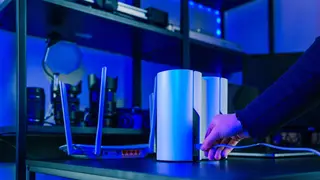
Mesh Wi-Fi systems feature internal rather than external antennas by design, offering technical advantages that align with how mesh networks operate. Internal antennas are typically omnidirectional, enabling seamless device handover and connection management across the mesh network, while external antennas could create problems if misaligned or accidentally damaged. Since mesh routers primarily communicate with nearby devices and other routers in the network rather than distant users, the coverage boost from external antennas is less critical than other design priorities like reliability and seamless connectivity.
Mesh Wi-Fi systems prioritize seamless device connectivity over maximum range because routers primarily communicate with nearby units rather than distant clients. The omnidirectional nature of internal antennas facilitates quick handover between devices, maintaining stable bandwidth as users move through their home. This design choice addresses a core strength of mesh technology itself—the ability to eliminate coverage gaps through networked relay points.
The aesthetic and manufacturing advantages reinforce this technical decision. A single router with multiple external antennas becomes fragile, difficult to produce at scale, and visually obtrusive when several units occupy a household. Internal antenna placement allows for the minimalist form factor that has become standard in the market, reducing both physical vulnerability during moves or accidents and production complexity.
This design trend reflects how engineering decisions balance technical performance with practical lifestyle factors. Consumers choosing mesh systems may benefit from improved reliability and visual integration into home décor, though they accept reduced theoretical range compared to external antenna configurations. The shift toward internal components demonstrates how manufacturers' business considerations—cost reduction across mass production—can align with genuine product improvements, potentially influencing purchasing decisions for homeowners evaluating coverage solutions.