Overview AI Introduces OV Spark AI-Powered Inspection Cameras with Embedded Agent Capabilities
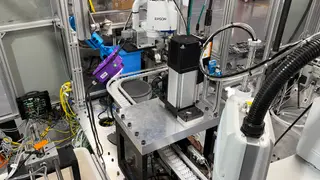
Overview AI released the OV Spark and OV Spark Pro cameras, which feature embedded agentic AI designed to perform factory floor inspections and communicate findings in natural language. The cameras bundle ten inspection tools including seven deep learning models and three ready-to-deploy algorithms, all running locally on the device without requiring external processing. The system simplifies multi-station manufacturing setups by allowing recipe selection without additional specialists or lengthy project cycles.
Overview AI built this product line on lessons learned from deploying vision systems in manufacturing environments since 2019. The company identified a persistent challenge: while inspection accuracy improved, implementation remained complex and time-consuming, requiring specialized personnel and extended project timelines for each new production line. The OV Spark addresses this by consolidating multiple inspection capabilities—seven machine learning models and three traditional algorithms—into a single self-contained device that handles setup, inference, and decision-making without external servers or added staff.
The embedded AI agent, Sparky, functions as both a configuration assistant and diagnostic tool. It recommends which inspection methods suit specific tasks, makes captured image libraries searchable through natural language queries, and generates operator interfaces automatically. This design allows manufacturers to add production stations by simply selecting a new recipe number, potentially reducing deployment friction that historically demanded specialist involvement and weeks of setup time.
This product may reshape how smaller manufacturers approach quality control by lowering the expertise barrier for factory automation. If widely adopted, OV Spark could enable facilities to expand inspection coverage without proportionally increasing skilled labor costs—a significant consideration in competitive manufacturing. Conversely, the system's reliance on local processing and recipe-based configuration means adoption may remain concentrated among operations with existing automation infrastructure. The democratization of factory floor AI could reshape staffing needs and competitive dynamics across manufacturing sectors.