Hospital Longevity Clinics Offer Comprehensive Health Assessment Tools
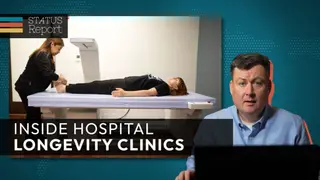
Hospital-based longevity programs provide comprehensive evaluations designed to assess individual health status and predict aging trajectories. These specialized clinics utilize advanced diagnostic approaches to identify health risks and opportunities for intervention. A firsthand exploration of these facilities reveals how they translate longevity science into practical clinical assessments for patients.
Hospital-based longevity clinics represent a growing clinical movement that applies scientific research on aging to patient care settings. These programs move beyond traditional disease-focused medicine by attempting to evaluate an individual's overall health trajectory and trajectory of aging, using specialized assessment tools to establish baseline measurements and identify emerging health vulnerabilities before they manifest as clinical problems.
This approach reflects a broader shift in medicine toward preventive and personalized care models. By conducting thorough evaluations early, these clinics aim to help patients understand their individual aging patterns and potential intervention points, translating emerging longevity science from research settings into practical frameworks that patients can act upon.
Hospital longevity clinics could potentially influence healthcare by attracting individuals interested in proactive aging management, though accessibility and cost may limit reach to certain populations. Such programs might encourage broader medical institutions to invest in preventive assessment infrastructure. The impact on health outcomes would depend on whether identified interventions demonstrably improve quality of life and lifespan—evidence that remains evolving as these clinics accumulate clinical data and long-term follow-up results.