French School Protests Escalate into Widespread Unrest Over Educational Deterioration
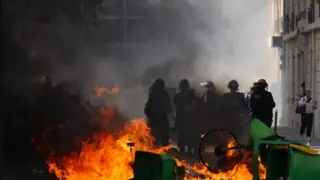
Student-led protests over overcrowding, teacher shortages, and deteriorating school facilities have evolved into large-scale demonstrations involving teachers, parents, and union members across France, with thousands arrested and numerous injuries reported. Violent confrontations have resulted in burned emergency vehicles, attacks on infrastructure, and assaults on educators, complicating the original demands for improved public education. The movement demonstrates tensions between legitimate grievances about education quality and the derailment of reform efforts through escalating street violence.
The unrest began in late September with students raising concrete complaints about overcrowded classrooms, vacant teaching positions, and aging school infrastructure. The movement also targeted Parcoursup, France's university admission system. By early October, the demonstrations had broadened significantly, attracting teachers, parents, and union organizations to the cause, indicating the educational grievances resonated across multiple constituencies.
The escalation into violence has created a parallel crisis of accountability. Authorities reported thousands of arrests and hundreds of injuries across all groups—students, law enforcement, and school staff. A particularly severe incident in Lens resulted in a teenager's permanent disability following a disputed account of a police grenade explosion, prompting formal investigation. Similar contested narratives emerged elsewhere, establishing a pattern where conflicting versions of events complicate official responses.
The protests illustrate how legitimate policy demands may become obscured when demonstrations turn violent, potentially undermining reform momentum. Policymakers face pressure to address underlying educational deficiencies while simultaneously managing public order concerns. Citizens and institutional stakeholders—parents, teachers, police—experience direct consequences through injury and trauma, which could erode confidence in both state institutions and the legitimacy of protest as a democratic tool. The trajectory may influence future public engagement with civic grievance mechanisms.