Organizations struggle as AI-driven code generation outpaces review and deployment infrastructure
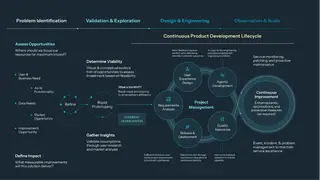
While AI coding tools have significantly boosted developer productivity and code output, many organizations report that deployment speeds have actually slowed as downstream processes like code review, testing, and security checks become bottlenecks. Research indicates that companies successfully capturing value from AI development tools are redesigning entire workflows and organizational structures rather than simply deploying technology in isolation. Building coordination infrastructure and maintaining shared context across faster development pipelines is emerging as critical for organizations to fully benefit from AI-assisted coding.
The acceleration of code generation through AI tools has created an unexpected problem: while developers produce more output faster, the processes that follow—review, testing, security validation, and deployment approval—have not evolved to match this increased pace. Organizations are discovering that productivity gains at the coding stage translate into delays elsewhere in the pipeline, particularly in governance and compliance checkpoints that were designed for slower workflows.
Research suggests that companies successfully leveraging AI development tools are not simply installing new technology but fundamentally restructuring how work flows across teams. This involves building systems to maintain technical knowledge and standards across larger volumes of work, integrating security checks earlier into development cycles, and establishing feedback mechanisms that connect production results back to initial problem identification.
The challenges described could significantly impact how enterprises adopt and benefit from AI development tools. Organizations that fail to redesign supporting infrastructure may find productivity investments yield minimal business value, potentially leading to underutilized AI tools or deployment delays that frustrate stakeholders. Conversely, companies that invest in coordination systems and institutional learning structures may gain competitive advantages. This pattern could influence enterprise software spending priorities and reshape how technology teams are organized across industries.