Malware Operators Disguise Linux Backdoors as Email Services in Asian Networks
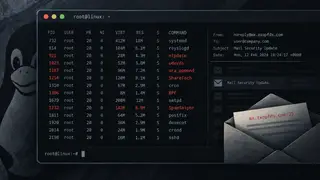
Malicious actors have deployed Linux backdoors targeting telecom and networking equipment in South Korea and Taiwan, masking their malware traffic to resemble legitimate email security services. The attackers employ obfuscation tactics by naming their malicious binaries after genuine operating system components to avoid raising suspicion during system monitoring. This evasion technique allows the backdoors to persist undetected within critical infrastructure networks.
Attackers have identified a significant vulnerability in infrastructure monitoring practices by leveraging the trust placed in routine system processes. By adopting names associated with legitimate operating system functions, malicious binaries can operate within networks while appearing to be authorized components during standard audits and security reviews. This approach exploits the challenge system administrators face when distinguishing between authorized and unauthorized software on devices with thousands of running processes.
The geographic focus on South Korea and Taiwan reflects these regions' importance as technology hubs and their reliance on robust telecommunications infrastructure. The targeting of networking and telecom equipment suggests attackers aim to establish persistent access to systems that form the backbone of digital connectivity, potentially enabling long-term surveillance or data interception capabilities.
This threat could significantly impact telecommunications reliability and data privacy for millions of users across affected regions. Organizations operating critical infrastructure may face increased vulnerability to espionage, service disruption, or data theft if backdoors remain undetected. The sophistication of these evasion techniques may prompt broader security reviews across Asia-Pacific telecommunications sectors and could influence how network administrators approach binary verification and process monitoring practices going forward.