Families Turn to AI Image Generation to Replace Costly School Portrait Services
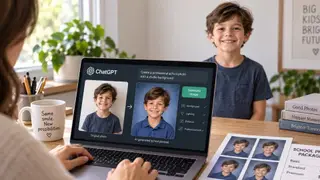
Parents are increasingly using ChatGPT and similar AI tools to generate professional-looking school portraits from smartphone photos, bypassing traditional school photography services that typically charge $25 to $60 per child. The trend gained popularity on social media after creators shared how they photograph children against plain backgrounds and use AI to generate polished portraits resembling those produced by established school photo companies. For families with multiple children, this approach offers significant cost savings compared to traditional packages that can exceed $100 annually.
School portrait packages have traditionally bundled multiple services into their pricing—professional photography, image editing, background selection, printing, and distribution through schools. This infrastructure required significant overhead, from equipment and personnel to logistics and commission arrangements with educational institutions. The standardized nature of school portraits—similar poses, comparable backgrounds, consistent editing—creates an ideal use case for AI replication, since the final product follows predictable formatting conventions that machine learning models can easily reproduce.
The cost structure for families compounds when multiple children are involved. Annual expenses frequently exceed $100 per household once prints, digital files, and package options are factored in. Smartphone cameras have simultaneously improved to capture professional-quality source images, while free or low-cost AI tools have become accessible to general consumers, removing previous barriers to entry for photo manipulation that once required specialized software or technical expertise.
This trend could reshape demand for traditional school photography services if adoption becomes widespread, potentially affecting the business models of established companies and school revenue streams that depend on photo sales commissions. Conversely, some families may lack smartphone technology or comfort with AI tools, potentially widening access disparities. The shift also raises questions about professional photographer employment and whether schools will adjust policies regarding AI-generated images for official documentation purposes, as institutional acceptance remains uncertain.