Private Pension Partners Launches Ontario Entry With 132-Unit Rental Development Near Aurora GO Station
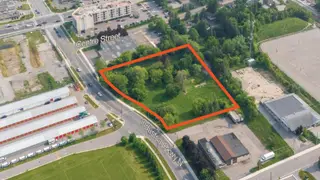
Private Pension Partners completed its first Ontario acquisition with a 1.89-acre Aurora development site where it plans to build a 132-unit purpose-built rental complex in partnership with Black Dog Development. The seven-storey, 96,000-square-foot building will feature a mix of market and affordable units using precast concrete construction and benefit from municipal development charge deferrals. P3 intends to develop and stabilize the property over four years before targeting a sale to its private multifamily vehicle, Apartment Plus REIT.
Private Pension Partners, a Winnipeg-based real estate investment firm overseeing approximately $800 million in assets, is diversifying geographically with this Aurora acquisition. The property's proximity to transit infrastructure and existing municipal zoning approvals for higher density provide operational advantages. The seven-storey structure will incorporate precast concrete methods and leverage Aurora's distinctive 20-year interest-free development charge deferral program, reducing upfront municipal costs.
The transaction follows a defined investment timeline uncommon in development deals. P3 plans a four-year stabilization period before transferring the completed asset to Apartment Plus REIT, its private multifamily investment vehicle, creating a structured pathway from development through operational maturity to portfolio exit.
This entry into Ontario's rental market may influence regional multifamily housing supply, particularly near transit nodes where affordability pressures persist. Institutional capital targeting mixed market-rate and affordable units could expand housing options for Aurora-area residents, though outcomes depend on final unit pricing and accessibility criteria. The deal structure—leveraging public charge deferrals and CMHC insurance—reflects how private investment increasingly relies on government programs to finance rental development, raising questions about subsidy efficiency and long-term affordability guarantees.