Jaguar's Bold Electric Saloon Arrives to Redefine Luxury in the EV Era
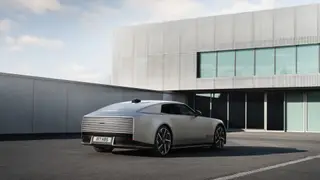
Jaguar has unveiled the Type 01, a luxury four-seat electric saloon designed to launch the brand into a new era of high-end electric vehicles. The fastback model measures 5,235mm in length but stands dramatically low at just 1,403mm in height, distinguishing it from competitors like the Bentley Flying Spur and Rolls-Royce Ghost. Built on a new 850-volt architecture with 118kWh of usable battery capacity, the Type 01 aims to demonstrate that electrification can be embraced at the premium end of the automotive market.
The Type 01 represents Jaguar's most ambitious shift yet, abandoning the company's traditional market positioning to compete directly with ultra-premium marques. Its proportions deliberately challenge contemporary EV design conventions—the 5,235mm length paired with an exceptionally low 1,403mm roofline creates a dramatic silhouette distinct from rivals like the Bentley Flying Spur and Rolls-Royce Ghost. This architectural choice prioritizes visual impact over maximizing interior space, a deliberate rejection of the space-efficiency philosophy that defined earlier electric vehicles.
The vehicle's technical foundation—an 850-volt electrical architecture supporting 118kWh of usable capacity—enables performance capabilities expected in its luxury segment. Jaguar's design language incorporates premium materials including Kvadrat textiles and Ultrafabrics' NeoGrain, while styling details like the extended bonnet and eliminated rear window reflect both aerodynamic optimization and historical design references to classic Jaguar proportions.
The Type 01's arrival could influence purchasing patterns within the ultra-luxury automobile market, potentially validating electric powertrains at price points traditionally reserved for combustion engines. Its success may demonstrate whether affluent consumers prioritize heritage and exclusivity over powertrain technology, or whether premium electrification can coexist with both. The model's reception may also signal shifting luxury automotive industry standards, affecting how competitors allocate development resources between traditional and electric platforms.