Croatian Architecture Studio Creates Two Distinctive Homes Reflecting Different Design Philosophies
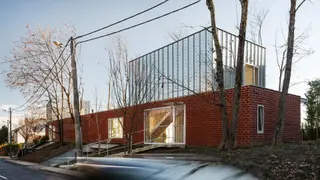
The Zagreb-based firm Njirić+ arhitekti has completed two residential projects representing the distinct architectural visions of its partners, Hrvoje Njirić and Iskra Filipović. Njirić's Double-Villa Bukovac challenges Zagreb's urban planning regulations by offering a lower-density alternative with smaller volumes and larger plots, containing two attached 90-square-meter dwellings on a 1,200-square-meter site. Both projects demonstrate the studio's varied typological approaches and have garnered significant recognition, including a shortlist position for the EU Mies Awards.
The Zagreb-based firm has established itself through contrasting residential commissions that each partner undertook for personal use. Njirić's Double-Villa project challenges conventional suburban development by deliberately building well below the city's maximum allowable floor area, opting for 180 square meters across a 1,200-square-meter plot instead of the permitted 600. This deliberate restraint reflects a philosophical position about balancing residential density with green space preservation in Zagreb's outlying neighborhoods.
The studio's design approach draws from diverse architectural precedents spanning several centuries. Classical influences—including Renaissance symmetry principles and early American academic architecture—combine with twentieth-century residential modernism to inform the project's spatial organization and facade treatment. This eclecticism demonstrates how contemporary practice can synthesize historical references with contemporary concerns about sustainable suburban development patterns.
These projects may influence conversations among urban planners and developers regarding optimal suburban density standards and environmental stewardship. By presenting an alternative model for residential growth, the work could encourage municipalities to reconsider zoning regulations that prioritize built volume over landscape preservation. The EU Mies Awards recognition may amplify these ideas within professional architectural circles, potentially affecting future development guidelines in comparable European cities facing similar suburban expansion pressures.