Justice Department Urges Judge to Reject Congressman's Request for Trump-Kennedy Center Communications
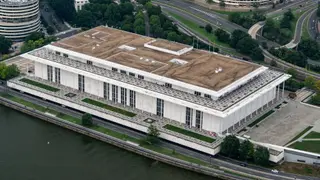
The Department of Justice asked a federal judge to immediately dismiss Representative Joyce Beatty's motion seeking documents about President Trump's involvement in the Kennedy Center's planned closure. The DOJ argued the request was unnecessary and burdensome, while Beatty's legal team accused the administration of using presidential privilege to hide evidence. The case involves Trump's controversial proposal regarding the Kennedy Center's two-year shutdown.
The legal dispute centers on whether the Trump administration must disclose internal communications regarding its decision to temporarily close the Kennedy Center for renovations. Representative Beatty, who holds a seat on the Kennedy Center's board, has challenged the closure and now seeks access to documents that might demonstrate presidential influence over the board's actions. The DOJ contends that sufficient evidence already exists to justify the shutdown decision and that demanding additional records would unnecessarily delay proceedings.
The broader disagreement reflects tensions over presidential naming rights at the institution. Trump has proposed adding his name to the building's exterior alongside President Kennedy's, a request that Judge Cooper previously rejected. The administration has linked completion of the $250 million renovation project to resolving this naming dispute, creating leverage in the ongoing litigation.
This case could establish precedents regarding the scope of presidential privilege in litigation involving federal institutions and mixed governmental-board decision-making. The outcome may affect how courts balance transparency in government operations against executive authority claims. For the Kennedy Center specifically, the ruling could determine whether the institution's closure proceeds as scheduled and how disputes between presidential leadership and institutional boards are resolved. Broader implications extend to oversight mechanisms available to individual lawmakers challenging administrative decisions.