Dormant Early Access Survival Game Returns to Development After Eight-Year Hiatus
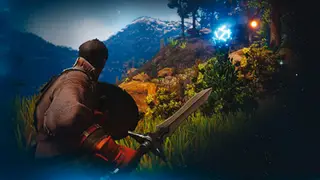
Novus Inceptio, a survival crafting game that entered early access in 2015, has received its first major update in eight years from solo developer McMagic Productions. The developer has expanded the game world from 9 square kilometers to 64 square kilometers of wilderness, rebuilt combat systems, and shifted focus to single-player gameplay with planned co-op features in the future. The creator cited renewed motivation and determination to finish the project as reasons for returning to active development after years of minimal progress.
Novus Inceptio's development history illustrates common challenges facing independent game creators. The solo developer initially spent years learning game development tools before launching on Steam in 2015, but the sudden demands of community management, bug fixes, and player feedback led to severe burnout between 2016 and 2019. The constant pressure to respond to criticism and accommodate player requests caused the game's design to drift from its original vision, ultimately compromising the project's foundation.
The recent return to development represents a strategic refocus. Rather than pursuing the originally planned MMORPG with multiplayer infrastructure, the developer has repositioned Novus Inceptio as a single-player experience with optional co-op planned for future releases. This shift, combined with substantial world expansion and combat overhauls, suggests a deliberate effort to rebuild the game around a more manageable scope while reclaiming creative control.
This story may resonate with audiences interested in indie game development's hidden struggles and the psychological toll of early access models on small creators. The narrative could influence how players view unfinished games and community expectations around developer communication. Additionally, the project's revival may encourage other abandoned indie titles to resume development, potentially shifting player sentiment toward patience with long-dormant early access titles while also raising questions about sustainable funding models for solo developers.