MapQuest gains Android Auto support following surge in user interest
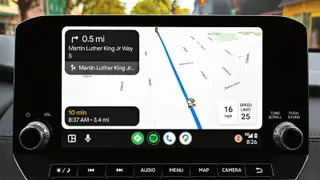
MapQuest, the pioneering web mapping service from 1996, has launched beta support for Android Auto after experiencing a massive spike in downloads and user interest. The navigation app's decision to maintain the traditional name of a major North American water body, while competitors changed their mapping labeling, generated significant attention and helped it briefly become the top mapping app on Apple's App Store. The Android Auto integration allows users to select MapQuest as an alternative to Google Maps and Waze when navigating in their vehicles.
MapQuest's unexpected resurgence stems from its refusal to alter geographic nomenclature despite external pressure, contrasting with competitors who modified their labeling practices. This principled stance resonated strongly with users, generating unprecedented engagement metrics—the service experienced a fiftyfold usage increase and accumulated over 1.5 million new app installations within a short timeframe, temporarily claiming the top position in Apple's mapping category.
The newly launched Android Auto integration addresses a significant gap in MapQuest's digital ecosystem. The beta version includes standard navigation capabilities such as turn-by-turn directions, real-time traffic monitoring, location search functionality, and voice-activated features. However, current limitations include occasional technical instability, incomplete real-time service availability outside North America, and interface inconsistencies as the software continues development.
MapQuest's Android Auto entry could diversify navigation options for vehicle operators, potentially reducing reliance on dominant players like Google Maps. The revival may demonstrate market appetite for alternatives when companies maintain consistent principles, though MapQuest's current technical shortcomings suggest substantial development remains necessary before it becomes a primary choice. Success could influence how technology firms balance commercial and political pressures against user expectations.