Affordable Drones Under $100 Excel as Training Tools Rather Than Camera Replacements
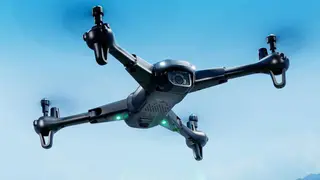
Budget drones priced below $100 are best suited for learning basic flight controls and recreational use rather than serious video production, despite marketing claims of HD cameras and advanced features. The Holy Stone HS110D exemplifies this category, offering altitude hold and app-based controls for beginners at $89.99, though its 1080p recording lacks the stabilization and mechanical gimbal of premium drones. These entry-level options teach fundamental piloting skills and casual photography without the wind resistance, GPS positioning, or gimbal stabilization found in expensive camera drones.
Budget drones operate within significant technical limitations that distinguish them from professional-grade alternatives. Models in this category typically lack mechanical camera stabilization, GPS positioning systems, and wind-resistance capabilities—features standard on premium drones costing several hundred dollars or more. Battery life remains constrained, with most entry-level units offering flight times measured in minutes rather than the 20–30 minute capabilities of higher-end equipment.
The practical value of these affordable options lies in their educational role within the drone hobby ecosystem. Prospective pilots can develop fundamental flying skills, experiment with first-person-view controls, and determine whether drone operation matches their interests before investing substantially in equipment. This staged approach to the hobby allows learners to progress methodically rather than purchasing expensive gear prematurely.
Budget drones may democratize drone piloting as a hobby by lowering entry barriers for interested beginners and casual users. This accessibility could expand the hobbyist community and create pathways for individuals to progress toward more sophisticated equipment and specialized applications. However, widespread adoption of inexpensive drones might also complicate airspace management and regulatory compliance if users develop unrealistic expectations about capabilities or operate devices without understanding local flight restrictions and safety requirements.