HP Introduces Budget Windows Laptop With OLED Screen and Premium Design at $700 Starting Price
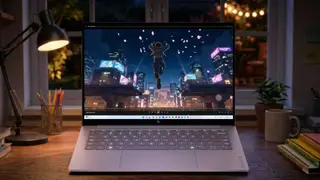
HP's OmniBook 5 14 brings an OLED touchscreen, aluminum construction, and backlit keyboard to a $699.99 Windows laptop, positioning it as an alternative for MacBook shoppers wanting to remain on Windows. The entry-level configuration includes an Intel Core 5 320 processor with 8GB RAM and 256GB storage, paired with a 1920×1200 OLED display rated at 300 nits brightness. HP plans to release a brighter 2.5K OLED option reaching 620 nits in March 2027, so buyers seeking maximum brightness should wait for that separate model release.
HP's OmniBook 5 14 joins a growing category of Windows laptops attempting to compete with Apple's MacBook lineup by combining premium materials and display technology at accessible price points. The aluminum chassis, available in four color options, and the OLED touchscreen represent features traditionally reserved for higher-end devices. However, the entry-level configuration reveals typical budget constraints: 8GB of RAM soldered to the motherboard prevents future upgrades, and the 256GB storage may prove limiting after accounting for the operating system and applications.
A notable distinction exists between the current October 2026 launch model and HP's announced March 2027 brighter variant. The initial OLED panel peaks at 300 nits brightness, which may challenge visibility in bright outdoor environments, whereas the forthcoming 2.5K option reaches 620 nits. Prospective buyers evaluating screen quality should understand these are separate product releases rather than upgrade paths, requiring deliberate timing decisions around purchase timing.
The OmniBook 5's positioning could shift purchasing decisions among cost-conscious consumers and students traditionally locked into MacBook ecosystems. By offering OLED and aluminum construction at $700, HP may expand Windows laptop appeal to users prioritizing design and display quality over raw processing power. However, the soldered RAM and modest storage could frustrate users mid-product lifecycle, potentially affecting long-term device satisfaction and HP's competitive standing as machines age.