Cornell University Launches Independent Inquiry Into Fraternity Sexual Assault Case
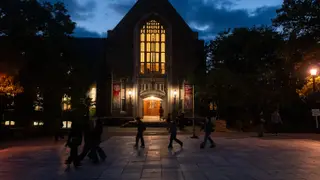
Cornell University President Michael Kotlikoff announced an outside law firm review of the institution's handling of a 2024 sexual assault allegation involving seven Chi Phi fraternity members and committed to reexamining the role of Greek life on campus. The case, dubbed "Cornell 7" on social media, involves a woman who alleges she was drugged and raped; prosecutors initially declined charges, but state Attorney General Letitia James was named special prosecutor after a critical police interview transcript surfaced. All 22 fraternities on campus canceled social events as the university faces mounting pressure over its previous response.
Cornell University's Greek system represents a significant portion of undergraduate life, with approximately one-third of students participating across 22 fraternities. The institution's historical embrace of fraternities traces back to its founding principles around student self-governance. The current crisis stems from a 2024 incident involving alleged drugging and assault, where initial prosecutorial decisions were questioned after critical evidence surfaced, ultimately prompting state-level intervention and a change in prosecutors handling the case.
The university's shift from a defensive posture to commissioning external review signals recognition that institutional processes themselves require scrutiny. Previous incidents, including a 2022 cluster of drugging incidents at fraternity events, demonstrate a pattern of recurring safety concerns that suspension and expulsion alone have not resolved. The decision to reexamine Greek life's role on campus reflects pressure to address systemic issues rather than respond case-by-case.
This case could reshape how universities balance student autonomy with institutional accountability in Greek systems. Affected stakeholders include assault survivors, accused students, fraternity members navigating reputational consequences, and the broader student body whose campus safety perceptions may shift. The independent review's findings could influence policies at peer institutions facing similar pressures, potentially affecting how universities govern student organizations, handle Title IX procedures, and allocate oversight responsibilities between campus and law enforcement.