Domestic policy gaps left U.S. unprepared for international energy supply disruption
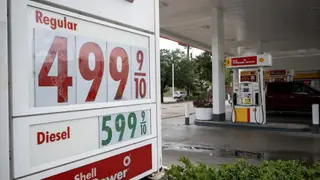
An external shock to diesel supplies exposed weaknesses in domestic energy preparedness and policy frameworks. The analysis suggests that while the initial disruption originated internationally, U.S. policy failures left the nation without adequate strategic reserves or mitigation measures. The piece examines how domestic policy decisions contributed to vulnerability during energy market volatility.
An international disruption to diesel supplies has revealed significant gaps in how prepared the United States is to handle energy market shocks. The incident demonstrates that domestic policy choices have left the country vulnerable during periods of supply instability, with insufficient strategic reserves or alternative response mechanisms in place to cushion the impact.
The analysis points to a pattern where policy decisions at the federal level failed to anticipate or adequately prepare for external energy market disruptions. While the root cause originated abroad, the domestic policy framework lacked the tools and foresight needed to mitigate cascading effects on energy availability and pricing within the country.
Such energy supply disruptions could affect multiple sectors dependent on diesel fuel, potentially impacting transportation, manufacturing, and agriculture. Businesses and consumers relying on stable fuel costs and availability may face economic pressure. Policymakers may face pressure to evaluate current strategic reserves and emergency response frameworks. The findings could influence future debates about energy independence, infrastructure investment, and federal preparedness standards for critical commodities.