Boeing Secures Sixth-Generation Fighter Contract While Ukraine Develops Homegrown Defense Industry
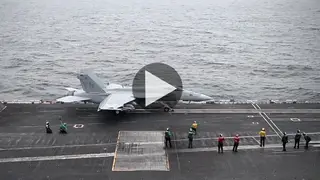
Boeing has won a contract to develop the Navy's F/A-XX sixth-generation fighter, marking a significant achievement for the company's defense division, though questions remain about Boeing's ability to manage two concurrent sixth-generation fighter programs. Breaking Defense correspondents examine the implications of the fighter platform's expected role alongside existing F-35 and F/A-18 aircraft. Reports from Ukraine reveal the country's efforts to expand its domestic defense technology capabilities while citizens adapt to wartime conditions.
Boeing's selection to develop the F/A-XX represents a major contract award for the company's defense operations, though industry observers have flagged potential execution risks. The sixth-generation fighter is expected to operate within an existing fleet environment that already includes the F-35 and F/A-18 platforms, requiring careful integration planning and resource allocation across multiple development timelines.
Meanwhile, Ukraine is pursuing independent defense manufacturing capabilities amid ongoing conflict. The nation's strategy involves both technological advancement and civilian adaptation to wartime operations, with defense industry expansion occurring as part of broader national resilience efforts.
Boeing's dual sixth-generation fighter commitments could affect defense spending priorities, defense contractor competition, and military readiness timelines. Success in managing concurrent programs may influence future competition for major defense contracts and shape decisions about fighter fleet composition. Ukraine's domestic defense industry development could alter regional security dynamics and European defense supply chain dependencies, potentially affecting NATO partners' procurement strategies and technological cooperation frameworks.