Key timing considerations for receiving annual influenza vaccination
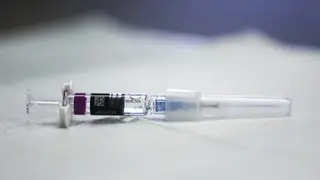
Health experts offer guidance on optimal timing for flu vaccination to maximize effectiveness and protection against seasonal influenza. The analysis considers individual health circumstances and epidemiological patterns to help people make informed vaccination decisions. Proper timing can enhance vaccine efficacy and reduce the risk of infection during peak illness periods.
The effectiveness of influenza vaccination depends partly on when individuals receive their shots relative to disease circulation patterns. Medical professionals emphasize that vaccination timing should account for when flu viruses typically peak in communities, as well as how long protective immunity lasts after inoculation. This guidance helps individuals align their vaccination with periods of greatest vulnerability.
Beyond universal recommendations, personal health factors play a role in determining optimal vaccination windows. People with chronic conditions, compromised immune systems, or other risk factors may need to coordinate timing differently than the general population. Understanding these individual circumstances allows healthcare providers to help patients maximize the benefits of annual flu protection.
Vaccination timing guidance could influence public health outcomes by potentially increasing the proportion of people protected during peak influenza season. Better-informed vaccination decisions may reduce illness burden across communities and help protect vulnerable populations. Healthcare systems might see improved efficiency in vaccine distribution if patients understand optimal timing windows. However, actual impact would depend on how widely such information reaches the public and how effectively people can act on timing recommendations.