Showrunner Malcolm Spellman Explains 'The Drop' as Standalone Series That Honors 'Snowfall' Legacy
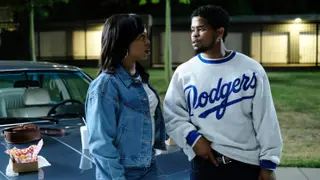
Malcolm Spellman discusses his approach to developing the 'Snowfall' spinoff 'The Drop,' which focuses on the rise of West Coast hip-hop in the 1990s through characters Wanda and Leon rather than original protagonist Franklin Saint. The showrunner spent over two years developing the pilot before finding the right tone that allowed the spinoff to exist as its own entity while organically connecting to the original series. Spellman emphasizes that he avoided chasing cameos and instead let the new show develop its own identity and soul.
Malcolm Spellman spent over two years developing the pilot for "The Drop: A Snowfall Saga" before discovering the creative direction that allowed it to function independently. The showrunner initially attempted to closely follow the original series' approach but found success only after deliberately distancing himself from "Snowfall's" established framework. This shift in perspective enabled him to build new characters and narratives that could exist organically alongside the parent show without relying on familiar faces or storylines.
The spinoff follows characters Wanda and Leon, both survivors from the original series, as they navigate the 1990s West Coast hip-hop scene and its intersection with street culture. Rather than pursuing guest appearances from the original cast, Spellman adopts a selective approach where characters from "Snowfall" would only appear if narratively essential, allowing "The Drop" to establish its own distinct identity while maintaining thematic and historical connections to its predecessor.
"The Drop's" approach to spinoff storytelling could influence how networks develop future companion series, potentially establishing a template that prioritizes creative independence over nostalgia-driven cameos. The show's focus on secondary characters and new stories may appeal to both existing "Snowfall" fans seeking continuation and new viewers unfamiliar with the original series. If successful, this strategy might demonstrate that spinoffs can thrive by building separate narratives rather than relying on franchise recognition, potentially affecting how studios greenlight and develop future television expansions.