Large-Screen Smartwatch Prioritizes Battery Longevity and Daily Utility Over Premium Features
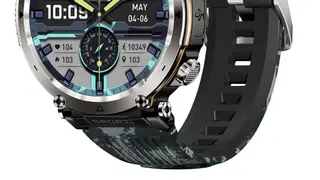
The HT30 smartwatch distinguishes itself through a generous 1.7-inch 360×360 display, substantial 600mAh battery promising 5-7 days of use, and practical features including built-in compass, integrated flashlight, and Bluetooth calling rather than premium specifications. The device's design philosophy emphasizes everyday wearability and visibility with water resistance and multiple sports modes, though health functions are explicitly positioned as reference tools rather than medical-grade measurements. Its larger body and substantial battery capacity reflect a prioritization of usability and longevity over thin design aesthetics.
The HT30 represents a deliberate departure from the miniaturization trend dominating wearable technology. Rather than sacrificing battery life and screen real estate to achieve a slim form factor, manufacturers here chose to accept a thicker chassis to accommodate a substantially larger power cell. This decision directly addresses a common user frustration: the need for nightly charging cycles that interrupt continuous health monitoring and complicate travel routines.
The device positions its health and fitness capabilities as informational tools for personal awareness rather than clinical instruments. This distinction matters for users seeking basic activity tracking without medical-grade accuracy expectations. By anchoring functionality in compass navigation, integrated lighting, and voice communication rather than competing on sensor sophistication, the HT30 targets practical daily needs over aspirational feature lists.
The HT30 may appeal to consumers fatigued by premium smartwatch pricing and complexity, potentially influencing market segments that prioritize usability and durability over technological prestige. Older adults and outdoor enthusiasts could find particular value in the larger display and extended battery life. However, this niche positioning may have limited impact on overall smartwatch adoption trends, which continue to favor integration with smartphone ecosystems and comprehensive health tracking capabilities.